Working in partnership to drive sustainable growth
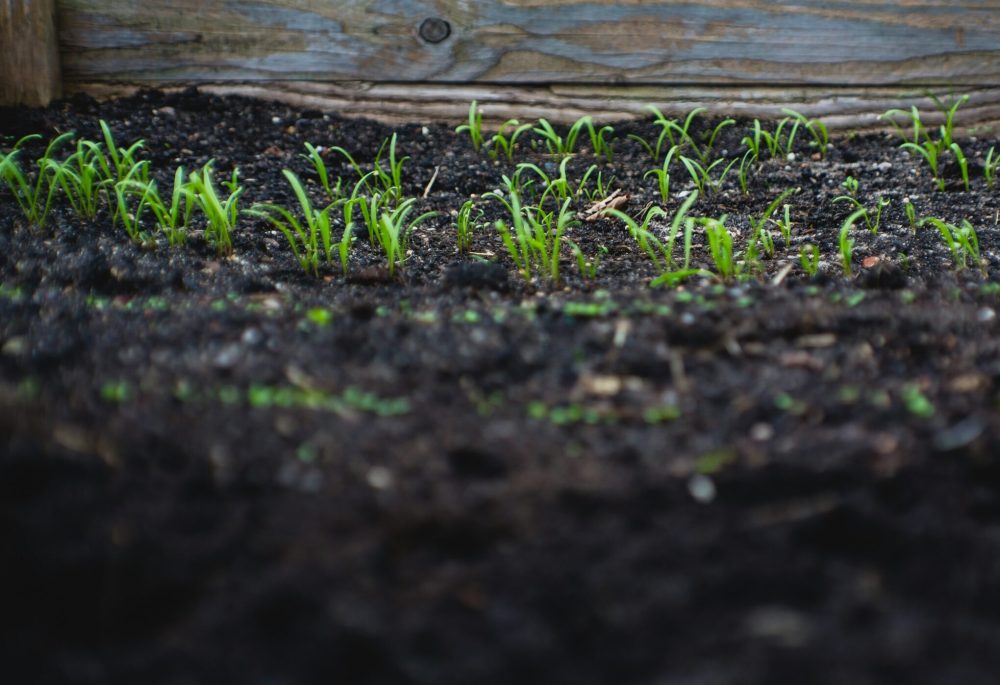
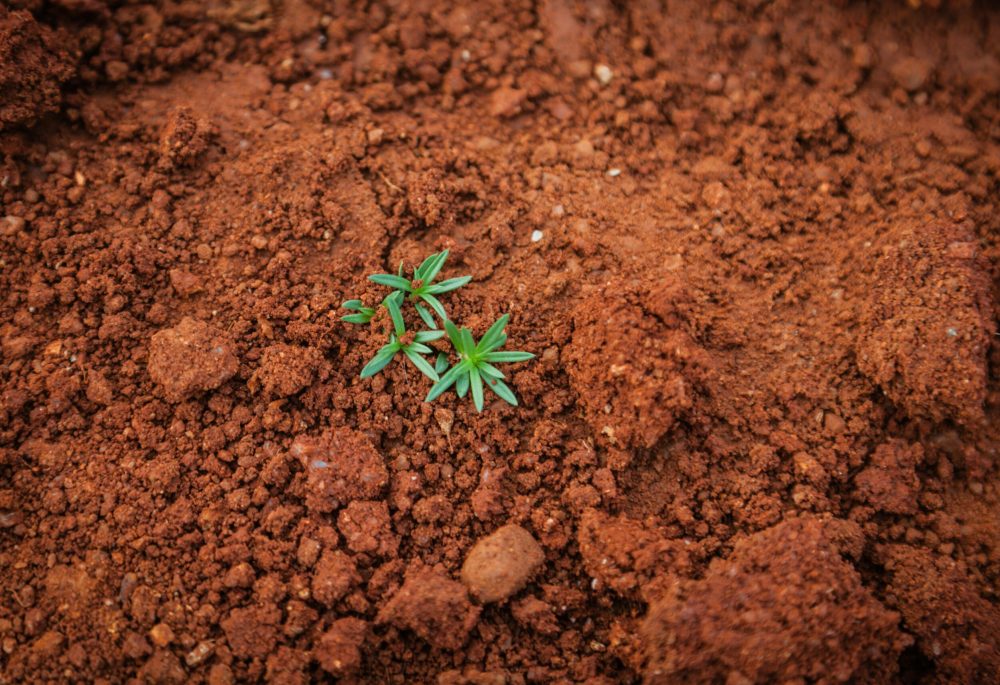
We are equipped with state-of-the-art quality monitoring technologies and advanced in situ instruments to conduct comprehensive environmental assessments. Our expertise includes testing soil samples for key parameters such as pH levels, carbon dioxide emissions, nutrient content, and contamination levels, ensuring accurate and reliable results.
Beyond testing, we provide expert guidance on developing sustainable and eco-friendly products that align with environmental best practices. By leveraging scientific analysis and innovative solutions, we help businesses and organizations reduce their ecological footprint, enhance resource efficiency, and promote biodiversity conservation. Our tailored strategies empower clients to adopt greener alternatives, optimize their production processes, and contribute to a more sustainable future.
Major Challenges
Soil Degradation & Pollution
Soil Contamination: Industrial waste, excessive pesticide use, and heavy metals can degrade soil quality, affecting agriculture and biodiversity.
Loss of Soil Fertility: Unsustainable farming practices and deforestation lead to nutrient depletion, reducing crop productivity.
Soil Erosion: Due to deforestation, overgrazing, and construction activities, soil loss can result in desertification and reduced land usability.
Carbon Emissions & Climate Change
High CO₂ Levels: Unchecked industrial emissions, deforestation, and unsustainable land use contribute to rising atmospheric carbon dioxide levels, exacerbating global warming.
Lack of Carbon Sequestration: Poor land management reduces the ability of soil and vegetation to absorb and store carbon, leading to further climate instability.
Water & pH Imbalance in Soil
Acidification & Alkalization: Soil pH imbalances due to acid rain, chemical fertilizers, and pollution disrupt plant growth and microbial ecosystems.
Water Pollution: Runoff from contaminated soil affects nearby water bodies, causing algal blooms, aquatic ecosystem collapse, and water scarcity.
Lack of Sustainable Product Development
Use of Non-Eco-Friendly Materials: Many industries still rely on plastics, synthetic chemicals, and non-biodegradable components.
High Carbon Footprint of Manufacturing: Energy-intensive production methods contribute to pollution and excessive greenhouse gas emissions.
Limited Consumer Awareness: Many consumers and businesses lack knowledge of sustainable alternatives and their long-term benefits.
Technological & Financial Barriers
High Cost of Advanced Monitoring Equipment: Many small businesses and farmers cannot afford cutting-edge soil testing and CO₂ monitoring technologies.
Lack of Skilled Personnel: Proper environmental assessment requires trained professionals, which are often in short supply.
Regulatory & Compliance Challenges: Adhering to evolving environmental laws and certifications can be complex and costly for businesses.